Mapping Incentive Pathways Across Mobile Gaming Loyalty Frameworks
Written by Wendy Beck · Nov 17, 2026
Mapping Incentive Pathways Across Mobile Gaming Loyalty Frameworks
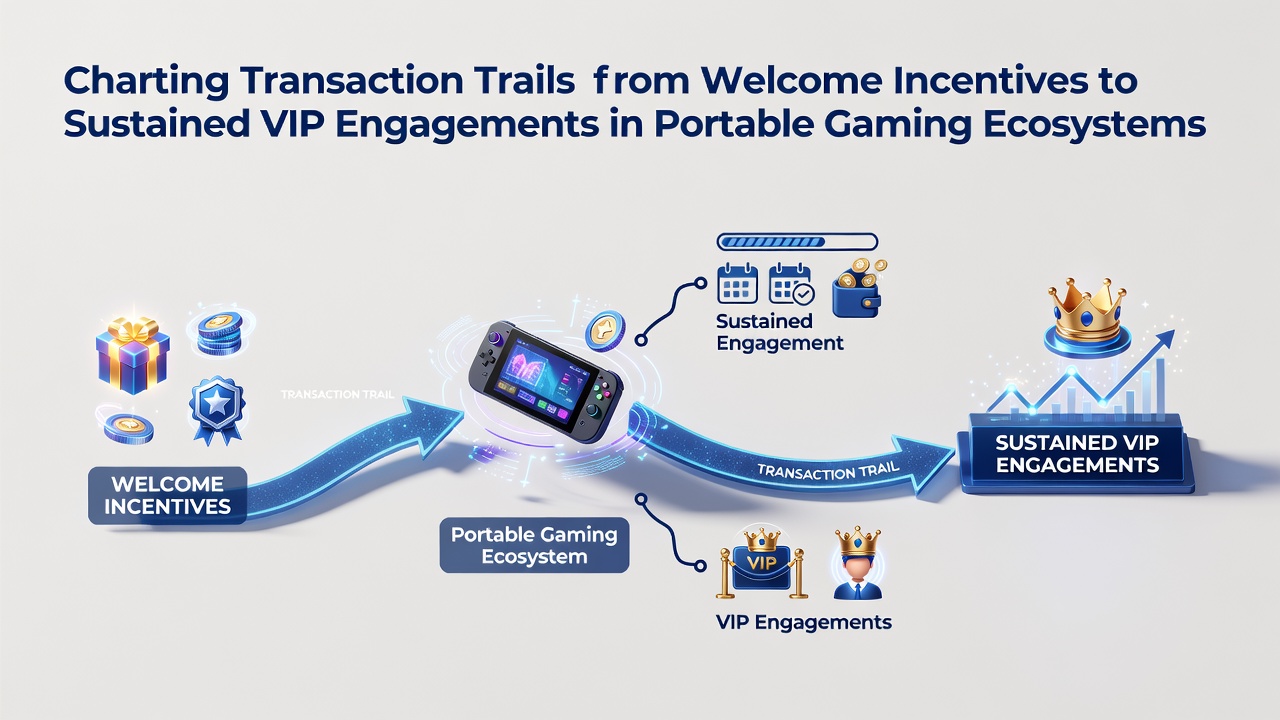
Portable gaming platforms track every deposit, withdrawal, and reward redemption through integrated systems that connect initial sign-up offers to long-term loyalty structures. These systems record user activity across devices, creating detailed logs that operators use to adjust engagement strategies. Data from industry reports show that mobile ecosystems processed over 65 percent of global online gaming transactions in 2025, with patterns emerging around how early incentives influence later retention.
Initial Transaction Entry Points
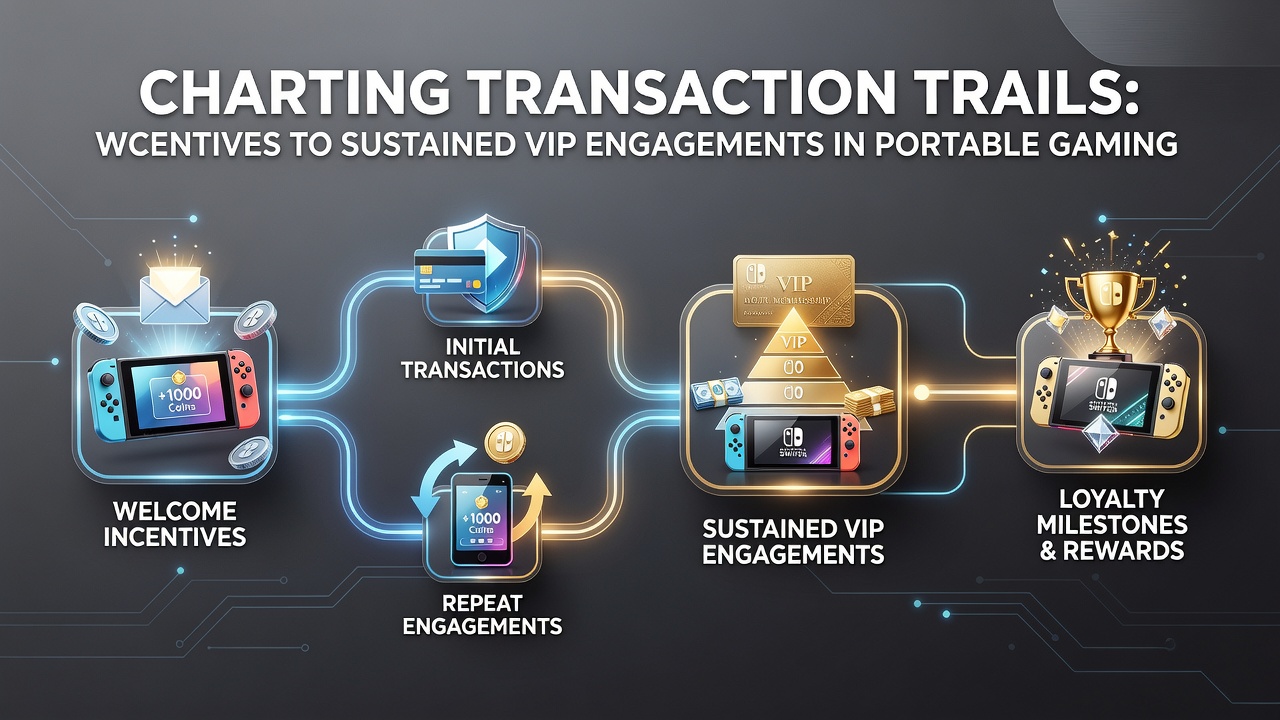
Welcome incentives function as the first recorded entries in player accounts, where systems log deposit amounts alongside bonus credits. Operators deploy tracking software that monitors conversion rates from these starting points, noting how quickly users complete wagering requirements. According to figures from the Australian Gambling Research Centre, mobile sessions initiated by incentive claims average 12 minutes longer than those without, allowing platforms to gather baseline behavior data before escalating offers.
Payment gateways feed directly into these trails, capturing timestamps and amounts that feed analytics engines. One study from the University of Nevada Reno found that 78 percent of tracked mobile accounts link their first three transactions to subsequent tier upgrades within six months. Systems flag patterns such as repeated small deposits versus single large ones, then route this information to personalization algorithms.
Progression Mechanisms in Loyalty Systems
Transaction trails extend beyond entry-level offers as platforms apply points multipliers tied to cumulative spend. VIP tiers activate once users cross predetermined thresholds, with software automatically updating status and unlocking new reward categories. Observers note that November 2026 saw several major operators release updated dashboards that visualize these progressions in real time for both players and compliance teams.
Research indicates sustained engagement correlates with consistent transaction frequency rather than isolated high-value events. Platforms segment users into cohorts based on these trails, applying targeted communications that reference past activity. For instance, accounts showing steady weekly deposits receive invitations to private tournaments, while sporadic users encounter different retention prompts.
Data Integration Across Ecosystems
Mobile gaming environments combine transaction records with device identifiers and session metadata to build comprehensive profiles. Cloud-based ledgers allow seamless updates when users switch between tablets and phones, preserving continuity in the incentive trail. Reports from the Responsible Gambling Council of Canada highlight that integrated tracking reduces duplicate account creation by 34 percent compared to fragmented systems.
Regulatory frameworks in multiple jurisdictions require operators to maintain audit-ready logs of all incentive-related movements. These logs support verification processes that confirm fair distribution of rewards and prevent manipulation. What's interesting is how portable platforms now incorporate biometric verification steps at key transaction points, adding another layer to the documented pathway from welcome stage to VIP access.
Retention Through Tiered Engagement
VIP structures rely on ongoing transaction visibility to calibrate benefits such as personalized cashback percentages and expedited support channels. Systems calculate lifetime value scores that determine which users advance and at what pace. Evidence from European industry analyses shows mobile VIP programs retain participants at rates 22 percent higher than desktop-only equivalents when trails remain uninterrupted.
Operators adjust thresholds periodically based on aggregate data, shifting criteria to maintain engagement momentum. Accounts that demonstrate consistent activity across multiple game categories often accelerate through tiers, with the platform recording cross-category spending as part of the unified trail. This approach allows ecosystems to sustain participation without relying solely on initial incentive structures.
Conclusion
Transaction trails in portable gaming ecosystems form continuous records that begin with welcome incentives and extend through sustained VIP participation. These pathways rely on integrated payment processing, loyalty algorithms, and compliance logging to function across devices and time periods. Available data from regulatory and research bodies demonstrate measurable links between early transaction patterns and long-term tier progression, shaping how platforms structure ongoing engagement.